Archive by Author | Lisa McAfee

Literature + Math = Fun

I admit it, math is not my favorite subject. But, I do love literature and combining the two makes math fun for me. If I am having a good time then I feel like I pass that good attitude on to my kids (now grandkids πŸ™‚ ). Oh, throw in some cookies, and now everyone is a bit more inclined to be a part of the math lesson. lol Here are two books that I have found to be not only educational, but also colorful and relatable.
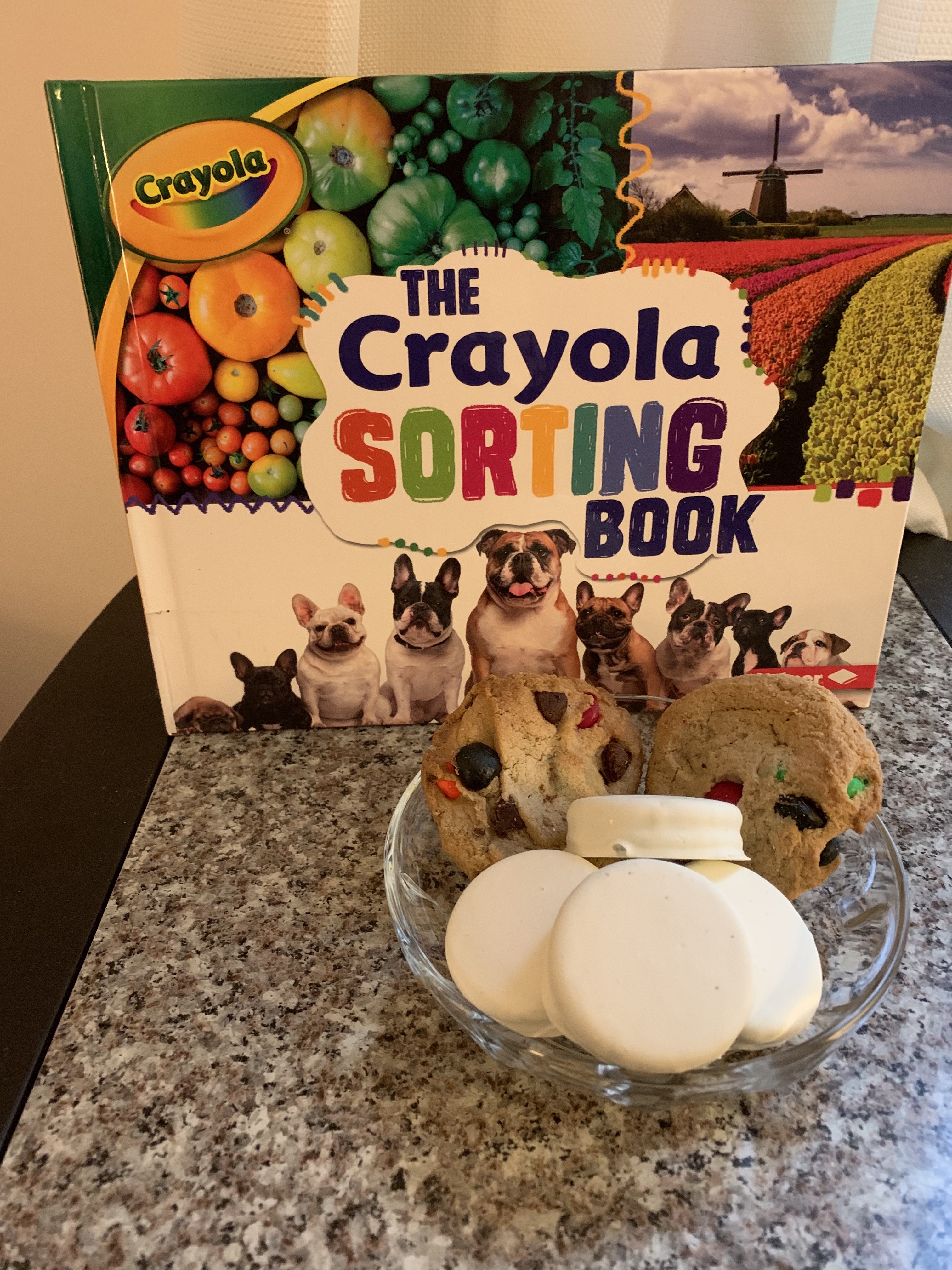
The Crayola Book by Jodie Shepherd obviously has crayons that are the focus, but also fun real life pictures to accompany the colors that have been selected. This has great details about sorting and gives examples for children to see. I like that is gives the definition on the first page. “Sorting is grouping similar objects together. There are lots of ways to sort! You can sort by color, shape, size, and more!”

Sorting by Henry Pluckrose is a series called Math Counts. This book is for young students who are just beginning to learn about sorting. There are two more books in this particular series called Counting and Numbers. They also have books that are suggested to use before books in this series called: Pattern, Shape, and Size. Is your child beyond all of these concepts? That’s awesome! You can read these instead: Time, Length, Weight, and Capacity.

So, why not read the books and then gather some of your own things from around the house to do a sorting activity? You can also graph items to extend the activity. For example: You sorted types of fruit: apples, pears, strawberries, and oranges. Graph how many of each you have. Take a poll and see what is each family member’s favorite fruit. Graph the result. You can extend this again by having your student write a paragraph about the findings.

Have a great week! ~Lisa~

Using Pumpkins for School

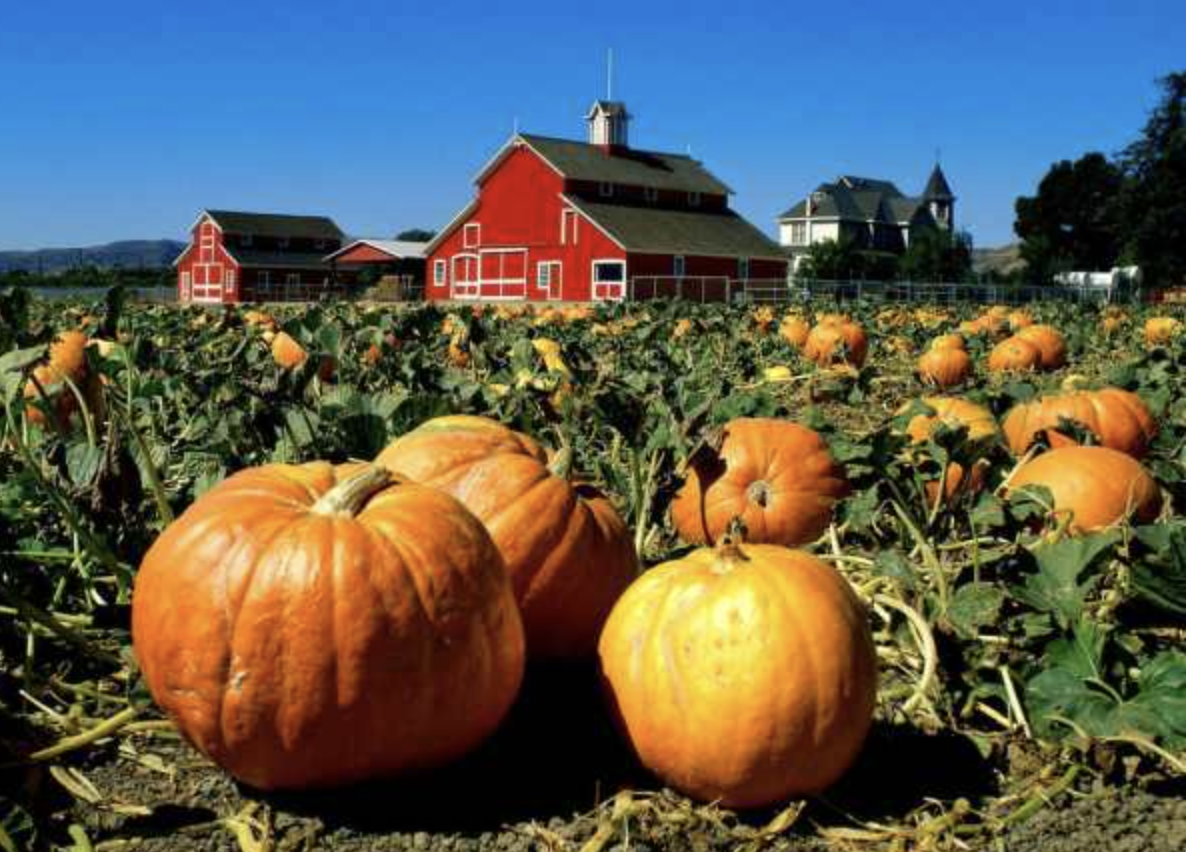
I am seeing pumpkins for sale in the store so why not buy a couple and use them to teach?

Math-

Estimation– How much do you think your pumpkin weighs? How many seeds in one large handful would you estimate there to be? If you feel like counting all of them, πŸ™‚ then how many do you think there are in the inside of the pumpkin? How close were you in estimating?

Science- Study the life cycle of a pumpkin. Seed->Seedling-> Plant-> Flowers->Pumpkin You can have your child draw a picture of each stage by looking at pictures of the internet or watching a video: https://www.youtube.com/watch?v=AB-dfi_0TsQ

There are lots of printables for sequencing the growth of the plant. I found this free printable that you can use for younger and older students. https://montessoritraining.blogspot.com/2013/10/free-printable-montessori-life-cycle-pumpkin.html

Health- Did you know that pumpkin seeds are healthy for you? Here is a recipe for you that your son/daughter can help you with:

Ingredients

  • ΒΎΒ cupΒ raw pumpkin seeds
  • 1Β tablespoonΒ olive oil
  • Β½Β teaspoonΒ kosher salt
  • ΒΌΒ teaspoonΒ garlic powder
  • ΒΌΒ teaspoonΒ paprika,Β optional
  • β…›Β teaspoonΒ black pepper

Instructions 

  • Preheat oven to 350Β°F (177ΒΊC).
  • Wash pumpkin seeds in a colander to remove the pulp and fibers. Thoroughly dry with a towel.
  • In a small bowl combine pumpkin seeds, olive oil, salt, garlic powder, paprika (if using), and black pepper.
  • Lightly grease a sheet pan with olive oil. Evenly spread the seasoned pumpkin seeds on the sheet pan.
  • Bake until the seeds are toasted and crunchy, about 12 to 15 minutes. Stir every 5 minutes for even toasting, and check for doneness with each stir by tasting a seed for crunchiness.
  • Transfer the roasted pumpkin seeds to a bowl to cool down.

Have a great week! ~Lisa~

Celebrating Fall: Outdoor Activities to Do

I have to admit that fall is not my favorite season because it is a precursor to winter. πŸ™‚ But, I am trying to enjoy each season and this one is quite beautiful here in Ohio. We have deciduous tress that turn various shades of browns, yellows, and reds. I am hoping that you get to experience some type of seasonal change where you live. So, what is there to do with your child no matter where you live?

Nature Scavenger Hunt- Draw pictures for little ones or make a list for your reading child of things that can be found in the fall. My list includes some of the following items: an acorn, a colored leaf, a dried seed pod, a Buckeye, or a walnut or a hickory nut, a flower (make sure it is one that is fading), and a milkweed pod.

A trip to an Apple Orchard– There is nothing like picking up a bag of freshly picked apples or pressed apple cider. It may sound crazy, but unless you discuss where your food originates, children think the grocery store is where it is made. You can do an internet search to see what might be available to you.

Fall Walk/Hike– With the color temperatures you can go on afternoon walk once you finish school. Not only are you enjoying nature, but you are getting to exercise too! You can take along a bag to collect fallen leaves and make a leaf book for science.

Pumpkin Patch/ Corn Maze– I am blessed to live near some operational farms and some have seen that having these two things are a great way to showcase their farms as well as supplement their income. It is great for them and for us too! Some farms even have hayrides, petting zoos, or pumpkin mazes.

If you have any other ideas, please share! Happy Fall to All!

~Lisa~

Homeschool Assessments: Begin Now

Organizing Papers

When you read the title of this post you might have thought, “Wow, Lisa! School just began and you are already talking about next year’s assessment. Aren’t you way too early to be talking about this?” Actually, now is the perfect time to establish a habit that will be easy to implement. This will make the portfolio review process sooo easy when you have to provide documentation of what your child(ren) did this year. I am going to give several ideas of things you can do and you can choose what works best for your family, or do something totally different. I just wanted to get some creative/organization juices flowing today. πŸ™‚

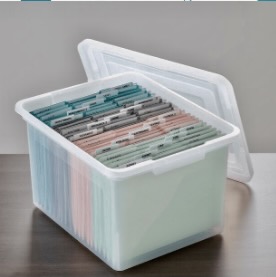
Organization: There are as many ways to organize your student(s) work as I think there are people.lol I am listing the most popular ideas I have seen. If you have another idea, please share in the comments. I’d love to hear what you do and someone else could benefit from your suggestion. Binders, accordion pleated file, a plastic bin with hanging folders, an electronic file, a private Facebook group, short videos, screenshots of online classes, and pictures all help organize schoolwork.

Monthly/ Quarterly: Choose one paper from each subject that you would like to share and file it to whatever organizational means you have chosen. It would be helpful if you have the date on the paper, but it is not vital. For example, if you are going to choose to use an electronic file, create a folder, snap a picture of the work, upload it, and waa-laa; you are done! If there isn’t paperwork then snap a photo of the experiment you did or write a brief description. It is much easier to document as you go rather than waiting until April. Of course, you can do that too if that works better for you.

What does next year look like for assessments? If I were able to predict the future, I’d be rich, right? My best guesstimate is that students will need to have an assessment at the end of the year, whether that be testing or a written narrative/portfolio review/teacher assessment (interchangeable names). I will continue to do assessments and am looking forward to serving you.

Have a great week! ~Lisa~

What About Socialization? Ways to Keep Connected

The old question when you say you are going to homeschool, “What about socialization?” hasn’t really been asked too much in the past year, has it? Homeschooling can be isolating and finding ways to be connected can be a bit difficult. But, there are activities you can have your child(ren) engaged in that would be fun and an opportunity to be with other children and make friends.

Local sports organizations– Does your community have a soccer (or another sport) team? Not only does this provide a connection with other children, but also some exercise (PE requirement met!).

Play Dates- Do you know of another homeschool family that you can meet? Let the kids run around in the back yard or meet at a park. If you don’t have another homeschool family, what about a cousin or a former classmate, someone from church? If you don’t know other homeschool families in the area, how about asking your neighbors or putting a notice in the library? Something like, Play in the Park- Looking for some local homeschool families to meet. If interested in meeting, come to _____ park on __date__ at __time__. Or have them text you if you feel comfortable in doing this. If you have no one show up, try again. Sometimes it takes a while to get things going.

Church Activities- Many churches have programs such as AWANAS or children’s programs and youth groups. It takes some concerted effort to meet people, but lifetime friendships can be developed by attending regular events.

Co-ops If you haven’t joined a co-op you may want to consider doing that since most meet weekly. Not only does your child meet new friends, but you do too!

Library/Local Programs- My boys attended library programs, nature walks, etc., and we met some of the families at a park on occasion. I know I could have furthered these relationships if I wanted, but I had several other things we were were already involved in.

Homeschool Support Group- Do you have a local support group? I found this to be an integral part of our homeschooling and am still involved in our citywide support group, even though my children are grown. I have made many friends and consider this to be a part of my community. If you don’t have a local group, how about starting one? I can help you if you need it, or contact http://www.cheohome.org or the Ohio Homeschool Parents Facebook group.

The important thing to remember is, you have to be intentional in finding people, connecting with them and establishing times to get together regularly. I hope you have a great week!

~Lisa~