Archives

Chores: Teaching Responsibility

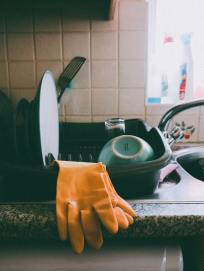
yellow-latex-gloves-on-dish-rack-4039452.jpgChores serve several purposes. One way is to have some additional help with household and yard duties. Another is listening to instruction and following directions. And, the last but what I feel is the best purpose, is they help teach responsibility.

Did you ever want a pet when you were growing up? Do you remember one of the first things you would say after you asked? I will feed it and clean up after it. Ah! You were using your powers of persuasion to make the argument that you would be responsible. Did it work? πŸ™‚

Children can begin at a young age to help with chores around the house. Always show your child how you would like the chore to be done and follow up with them afterwards to see that it was done according to your directions and satisfaction. Here are some ideas to consider, but make a list based upon the capability of your child.

Ages 2-3

  • Pick up toys, books
  • Put dirty clothes in laundry
  • “Wash” dishes
  • “Sweep” floor

Ages 4-5

  • Help make bed
  • Fill empty pet bowl (water, food with supervision)
  • Help set the table
  • Match socks

Ages 6-7

  • Straighten bedroom
  • Make bed
  • Get the mail
  • Put away folded laundry
  • Collect garbage from around the house
  • Help set the table

Ages 8-9

  • Pick up room, things around the house
  • Fold laundry
  • Set the table
  • Make simple lunches (sandwiches; humus and veggies, etc.)
  • Bake desserts (with supervision)
  • Load/ unload dishes in dishwasher
  • Put away dishes

Ages 10-11

  • Be responsible for personal items (Pick up, put away)
  • Iron clothes
  • Rake leaves
  • Collect library books and get ready for returning
  • Clean bathroom
  • Load washing machine (with supervision)
  • Put clothes in dryer
  • Take out and bring back garbage cans on trash day

Ages 12-13

  • Keep room tidy
  • Change bedsheets
  • Take showers regularly (For you mothers of boys, I had to put that one in!)
  • Mow the lawn
  • Watch younger siblings for short periods of time
  • Prepare basic meals
  • Unload washing machine and dryer
  • Vacuum
  • Per care (walking dog. grooming cat, etc.)

Ages 14+

  • Do all chores from younger ages
  • Watch siblings
  • Check automobile’s oil, change tires
  • Bring in and put away groceries
  • Do family’s or own laundry
  • Mop the floor
  • Create one meal a week.

Of course, you can do other things with chores.

  • Add or delete what chores that work for your family. The above lists were just to give you an idea of things your child could do. Many of these chore options were taken from the Focus on the Family’s website.
  • You create cards with chore descriptions for easy reference once you have instructed and overseen chores.
  • You can create a simple chore chart with the name of the chore on the left-hand side and the days of the week that you want them completed on the right-hand side.
  • You can have your child earn some cash by giving them a weekly allowance. How much to pay then is up to you. This would be a terrific finance lesson on saving, spending, giving to the church or another charitable organization.

Have a great week! ~Lisa ~Β 

Great Resources for Homeschooling

Screen Shot 2020-05-12 at 9.20.33 PM

So, you are thinking about homeschooling next year. That’s awesome! You may be wondering, “Where do I start?”

I found it helpful to find a few trusted sources for information. Start out with just a couple of things to investigate. It can be overwhelming if you try to tackle it all at once. After you have answers for those couple of questions, then pick a couple of more to research. Pretty soon you will be a pro and ready to go! Here are a few great resources to help you get started.

Are you looking for curriculum? Cathy Duffy Reviews is a good resource with a summary of each of her top picks. She also has a book called How to Choose Homeschool Curriculum that would be worth the investment since it covers setting goals, types of learners, andΒ  philosophies of education.

Two great companies from which to buy homeschool books/ curriculum are:

Join a Facebook Group and/or a support group. There are both secular and Christian groups. Facebook groups are very helpful, but I liked talking and meeting up with people. People are more than happy to help you. If you have any questions that I can help you with, comment below.

Have a great week! ~Lisa~


Outdoor Science Activities for Kids

download

Spring is an amazing season, don’t you agree? I love to get out and see all of the changes that are occurring in nature. This naturally lends itself to science activities, fresh air, and activity (gotta get those kiddos moving).Β  With just a few materials you can use the great outdoors to investigate science topics. Great outdoors + kids + science= Success! Know that’s what I call a great formula.

Plants- Tulips are starting to bloom and will do so over the next several weeks. This flower has large parts inside of it and is one of the best plants to dissect for the reason. It is a perfect flower because it has both male and female parts. (I just learned that!) And, in case you need a reminder of where the parts are located and what are their names, here is a quick reference drawing courtesy of http://www.wikimedia.com

Screen Shot 2020-04-06 at 5.26.56 AM

Here are some ideas for teaching. I have listed in parentheses other subject areas that are included besides science that are being studied as well.

  • Have your budding πŸ™‚ botanist draw the parts of the flower. (art)
  • Label the parts of their flower. (language arts)
  • Point to the various parts and describe them. (language arts)
  • Color a picture and/or label the parts of a flowerΒ  Superstarworksheets (art)
  • Have your student teach you or other siblings about the flower. (language arts)
  • If you don’t have a flower to study, DK Books has a close-up of a flower and simple explanations of the parts of a plant. Flower Parts for Kids
  • If you have an older student you can go into greater detail by looking at this site: Biology for Kids: Flowering PlantsΒ 


Nature Picture Show Take your phone with you on a walk and let your child take pictures of signs of spring. When you get home you can:

  • Identify the plants and animals you saw. (language arts)
  • Create a photo collage. (art, technology)
  • Send pictures with a short narration to grandparents. (language arts)
  • Create a PowerPoint with captions. (technology, language arts)


ShadowsΒ The other day I saw my neighbor sitting on her driveway with some plastic dinosaurs and I just had to ask her what she was doing (keeping 6′ away from her of course!). She was waiting for the sun to cast shadows on some paper that she had so she could trace them. What a lot of fun! You can do this with anything, including your own shadow and your son/ daughter’s shadow.Β  Other things you can do with shadows:

  • Measure each shadow. You can come out at different times of the day and see whether your shadow was longer or shorter than before. (math)
  • Graph the measurement of the shadows. (math)
  • Watch a video about shadows. If you have an older student they can take notes about the video. (language arts)Β  Dr. Binocs
  • If you are looking for some good books to read about shadows (both nonfiction and fiction), you can check out this website: Faith and Good Works
  • Create a shadow puppet play. (art, language arts)
  • Not sunny today? No problem! Make a puppet theater. Here are two options to get your creative juices flowing:


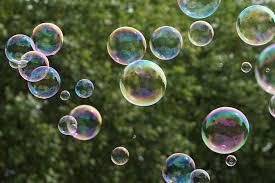
Blowing Bubbles is always a lot of fun, but did you ever think about making this into a science activity?Β  Ask the question: If you have different shaped wands (made out of pipe cleaners or wire), will the bubbles come out in those shapes or will they be round? Create a hypothesis and go have some fun by checking to see if it is correct.

  • Bubble formula-Β  I found a formula without glycerin on kidsactivities.com since you can’t run to the store to get any right now. The amazing thing about this formula is that if you wear gloves the bubbles they won’t pop. The sugar makes them very strong and you can catch them and bounce them without breaking.

Β Bubble Recipe

    • 4 Tbsp water
    • 1 Tbsp concentrated dish soap
    • 2 TbspΒ Imperial Sugar Extra Fine Granulated Sugar
    • Add the water to a small bowl and pour in the dish soap.
    • Add the sugar and stir gently until the sugar is dissolved.

Have a great week!Β  ~ Lisa ~


Multisensory Learning

Screen Shot 2020-02-23 at 1.25.33 PM

Did you know that we all remember and learn better if we have information presented when it involves our senses?Β  I think about when I am learning something new (like gardening) I like to read a description of the plant and growing conditions, and see pictures of it. If there is a video about the care of it then I like to watch it which involves both seeingΒ and hearing. The final step in the learning process is to purchase the plant and care for it. (hands-on) Sometimes that’s more multisensory than I want!

Do you have a child who just can’t seem to get a concept? You have gone over the example in the text several times. So, instead of just reading the directions and explanations one- more- time, try doing something else, get the senses invloved. For instance, instead of textbooks and worksheets see if you can…

  • watch /take notes on an educational video on the subject
  • discuss the video that was viewed
  • Β read library books on the topic
  • go on a field trip if appropriate
  • talk to someone who understands the topic and might be able to give a different perspective
  • Β go on to another topic and come back to it a while later
  • Β have your child draw pictures of what they understand this far
  • create a comic book about the topic
  • listen to an audible version if possible
  • give your child an opportunity to vent (Write a nasty letter to fractions, geography, etc. Just remind them that what is written on the paper only applies to inanimate objects. πŸ™‚ )
  • Act out the topic if possible. Years ago I had a student that did not understand Shakespeare so the whole family did a reader’s theater and even acted out particularly difficult scenes he was struggling to understand.
  • Create aΒ  video, PowerPoint, or a tri-fold board If you are reading about the Battle at Vicksburg, find maps of the battle; go on Google to see the battlefield; draw the area and the battle plan, etc.
  • Use Post-It Notes and break down the topic into smaller pieces. Addition- Point 1- Each number of objects is represented by a number. (2 candy bars or small candies) and (2 people). Point 2- You can add these together to see how many you have in total. Ask your child what they think the number will be. Point 3: Count them (2 candy bars or small candies ) and (2 people) and determine if the answer given was correct. Point 4: Eat the candy bar or small candies if the answer was correct. If not, cut the candy bar in smaller pieces or use more small candies for extra examples.

I know there are other ideas, but I hope this will give you some other options for teaching. If you care to share I’d love for you to comment.


Have a great week! ~ Lisa ~Β 


Fake Snow for Indoor Days


EFDAC3EC-BDB8-48D1-B086-0BCCBBEF3614

Maybe winter hasn’t had a lot of snow for your children to play in this year. Maybe you live in a climate where there is never snow. Well, I have a fun solution for you. I made this fake snow recipe that I found on the internet for my granddaughter and she loved it! It only requires 2 ingredients and you probably can do it as soon as you finish reading this post!

  • 1 box of baking soda
  • 1 can of shaving cream (regular)

Add shaving cream little by little until you get the consistency that you like. If you add too much then you will need to add more baking soda.

While it doesn’t stick together like snow would, it is still a lot of fun! I am going over weekly to do activities with EJ and we made this three weeks ago. She has played with it for hours and asks for it every time I am at their house.Β  We had plastic googly eyes and made snowmen and snowgirls with small mounds of the snow. Bury some objects in it for a treasure hunt (a nickel, a pen cap, a paper clip, etc.).

Not only will little ones enjoy playing with it, but so will big kids. The texture is very interesting and fun to pick up and pretend like it is “snowing”. Yes, I played in it almost as much as my granddaughter. lol

Play area: You can let your children play with it inside of a baking tray or a rectangular plastic container. Be sure to wash hands when finished.

Storage: It can be kept in the refrigerator in an airtight container until it dries out or your child loses interest. πŸ™‚