Archives

Animals and Nature

The last two weeks I have been writing about teaching nonfiction to students and also about writing nonfiction reports. Click on the underlined links if you’d like to read about these topics. If you have decided to write a nonfiction report on animals I have some great resources for you.

My children loved looking at pictures of animals when they were young. They were curious about all different kinds and I loved reading about them and discovering details about them I didn’t know.

I was reintroduced to a magazine called Nature Friend. This great magazine has articles about animals and activities to accompany them. Each moth your children can learn to draw a featured animal, do a science activity, complete a scavenger hunt, and read articles about various animals. Mention code TOSE1133 when calling, or enter coupon code TOSE1133 on Internet orders and receive $3.00 off your subscription. Offer ends 12/31/11. If you are unsure as to whether you would like to purchase it you can review a sample of it online for free! There is a supplemental study guide that be purchased too.

Nature Readers were a big hit in our home. Each reader is at a different reading level so they can be read independently or read aloud. There are five in the set, but you can order them separately. These are terrific to use on inclement days!

Nature’s Art Box, Laura C. Martin This looks like a great book to use as a resource for creating nature-related crafts and projects as well as seeing what artists have done with natural objects. If the weather is less than desirable or you don’t have any of those resources where you live, you can purchase nature items at a hobby supply store.

Writing Non-fiction Reports

“I don’t know how to write a report!” Is a response that I have heard from students who are great at writing creative stories, but have difficulty with non-fiction reports. While writing is the same for both types of writing in that you are communicating with an audience, it does require a different skill set to write a nonfiction report.  You have to do some research and summarize  facts in order to write the report. The writing piece answers the 5 W’s  and the 1 H (who or what, when, where, why, and  how) in a concise manner. Last week I talked about teaching how to distinguish fiction from non-fiction to students. If you have not looked at that, here is the link to the post.

Non-fiction Reports – A Visual Representation This is a criteria sheet that has sections that can be cut apart and used as a handy reference guide for both you and your child(ren) when writing a non-fiction report. It isn’t a long list so I had my son put four of them on one page. I believe it is easy to understand, but I have added a brief explanation for each category. Thank you to Sarah who came to see me last year for a portfolio review. She gave me the categories and criteria as well as permission to share the idea and modify it.

The report has categories such as green (group) for easy reference and a visual aid when working with your student(s). You can say, “Please look at the green section again.” This also helps children visualize what goes into a report as they can go through a mental list “seeing” a green circle, a smiley face, a pencil, etc.

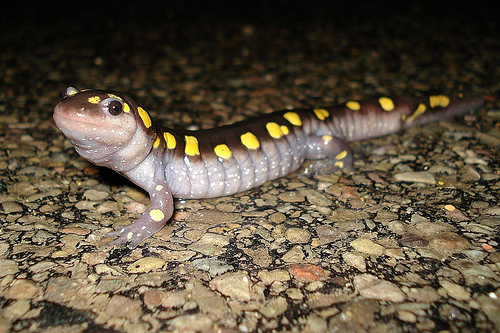
Have a copy of the non-fiction report form to refer to as I give the following explanation. 🙂 Ready? Let’s get started! For the sake of giving you an idea on how to use this, let’s assume I am assigning a paper to be written about a spotted salamander that we observed on the creek walk we took recently.

❍ Green- Group (categories) Here the student writes that a salamander is an amphibian and if you have an older student writing the report they can include more scientific data: Ambystoma maculatum

❍ Blue- Do: “What does it do? What do you do with it? Students write about its life cycle.

☺  Face- Look: What does it look like? Shape, size, texture, color Students describe it and draw a picture or include a photograph.

✎  Wood- What is it made of? Where does it come from? This may or may not pertain to the salamander, but it certainly would apply if you were writing a report about a machine.

❍  Pink- Parts: How does it work? Since it is an animal this would be its internal organs.

❍  White: Where do you find it? Describe its habitat.

❍  Red- What else do I know? Interesting facts  One interesting fact is that it is the official state  amphibian of Ohio. *I didn’t know that when I picked it for this post. I found out when I was researching the scientific name! There was even a spotted salamander festival last year in Birmingham, Alabama. I didn’t know that little critter was so popular!

  Isn’t he cute? Plan on a creek walk in late winter to see him/her for yourself! Just be sure that if you find one of these amazing amphibians you return it to where you found it. It selected that special place for a reason and you want to be sure and allow it to go back to its cozy abode.

*** For younger students I have created an elementary  Non-fiction Report   that can be filled in. Depending upon their level and how much further you’d like to proceed with this, you can either use this as the entire writing project or have them use it as a guide to write a paragraph at the bottom of the worksheet and draw a picture of the topic.

Also, I just read a terrific article about making non-fiction reports fun by creating a mini report book, otherwise known as a lapbook. You can read it yourself by going to the website bravewriter. They are also offering this as an online class if you are interested.

Next week I will have some nature themed resources on my blog for you to enjoy and help with reports.

Teaching Non-fiction to Elementary Students

I wanted to share an idea about writing a non-fiction report, but realized after I started delving into the topic that I needed to cover some foundational aspects of fiction and non-fiction before proceeding to the report! It is essential that students can first distinguish the difference between the two genres.

Pick some children’s stories to read that are both fiction and non-fiction and have the same animal as the topic. Get a piece of paper and divide the paper into two columns. Make the heading of the left hand column be Fiction and the right hand column be Non-fiction. Read both genres paying particular attention to the differences between them such as: make believe versus realistic; a story versus facts; illustrations versus photographs or realistic representations of the animal. Write these differences in the appropriate column. Also note that in the non-fiction column there may be the table of contents, index, additional resources, or a glossary. Do this over a period of two weeks and choose several different animals as examples for your student(s) to see that fiction and non-fiction books are both similar and dissimilar in the material that is covered. Look at the list you have made previously and see if there are other categories to add.  Use this list so your writer can refer back to these as a guide for when (s)he writes the non-fiction report. Not all of these items will be used in the nonfiction report (pictures, glossary, index).

I have chosen the topic of rabbits here as a guide for you. Read The Tale of Peter Rabbit by Beatrix Potter or Tops and Bottoms by Janet Stevens and a non-fiction book (or two) about rabbits. The books may seem too young for a middle school student, but the whole idea is for them to be able to understand the differences between fiction and non-fiction. You want to be able to concentrate on the elements of writing as opposed to figuring out the plot.  It is also a reference point for you to discuss with your child as you teach about writing their own non-fiction report.  As a bonus, if you have little ones they will enjoy the stories as well. If you aren’t that crazy about rabbits here are some other animals to read about for the genres: dogs, cats, pigs, and bears. I have listed some dog books after the rabbits for you below.

Rabbits:

Online resources for Peter Rabbit: Peter Rabbit This is the first printing of the first edition of Peter Rabbit (1902). I love how you can “turn the page” by hovering over the corner of the book and dragging your mouse across to the other side. It looks the page is actually being turned.

The Tale of Peter Rabbit a UTube video that is narrated by a gentleman who has a wonderful United Kingdom accent. There are pictures, but no words from the book.

The Tale of Peter Rabbit a UTube video that is narrated by Meryl Streep. She does a lovely job reading it, but you do not get to see the pages or the words of the book. If you have the book it will be a fantastic addition.

The Tale of Peter Rabbit a UTube video that has pictures and words.

The Tale of Peter Rabbit, Beatrix Potter There were too many fun resources on amazon.com for me to list so I thought you could choose your own!

Tops and Bottoms  A Caldecott Honor winner, this tale will be enjoyed by all as you read about how the clever rabbit outwits the lazy bear.

Non-fiction Books Rabbits, Rabbits, and More Rabbits, Gail Gibbons This book has bright, colorful illustrations and covers topics such as breeds, folk lore, and care of rabbits.

Animal Life Cycles: Rabbits (First Step Non-fiction), Melanie Mitchell This book would be great to use as an introduction into nonfiction.

Rabbits and Hares, Diane Swanson This is a book for older students (ages 8-12) that compares rabbits and hares. Interesting reading material and a terrific example to  show how a non-fiction report comparative report can be done.

Rabbits, Melissa Stewart This book describes the physical characteristics, habitat, behavior, life cycle, and conservation status of the rabbit.

Dogs:

Fiction Books If You Give a Dog a Donut, Laura Numeroff  I always enjoy these books and though they may seem young for older students, they are easy examples of fiction that everyone enjoys.

Dog Breath!: The Horrible Trouble with Hally Tosis, Dav Pilkey Who knew bad breath could save the day?

Non-fiction Books Dogs, Gail Gibbons Informational book about dogs from one of my favorite non-fiction authors.

The Dog Family, Bev Harvey

True Stories of Dogs and Cats free kindle book! There are other free titles of dog stories here as well.

Everything Dog: What Kids Really Want to Know About Dogs, Marty Crisp This non-fiction book is done in a Question and Answer format based on inquiries from children the author has collected over the years.

How about wrapping up this topic with a good ol’ dog movie?  These first two are sad, but are favorites of many people. Old Yeller, Where the Red Fern Grows, Homeward Bound, Cats and Dogs (my favorite!), Otis and Milo, Snoopy Come Home, Because of Winn Dixie, and Shiloh are just a few to get you started. Next week I will discuss writing a non-fiction report.

The Old Schoolhouse Magazine

I am not sure if you have had the opportunity to read this great magazine or not, but I have enjoyed this resource over the years. It has some terrific home school articles that I find myself referring to more than once. This periodical also has product reviews that I think are helpful when you are considering purchasing curriculum.

“What is this magazine?” you ask. It is called the The Old Schoolhouse Magazine and this week you can read the electronic summer issue for free! Be mindful that the offer expires in less than a week. Enjoy!

Apples (for the teacher and students)

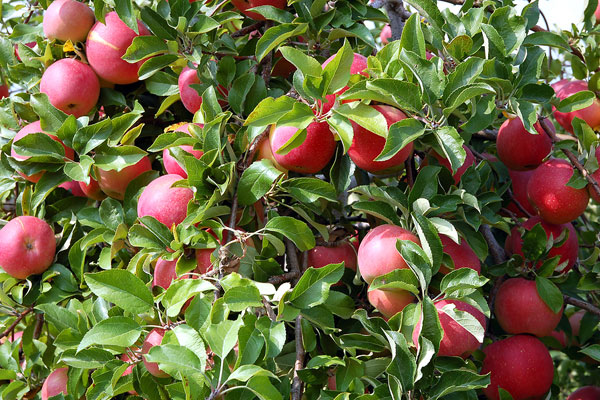
Delicious, Jonathan, Honeycrisp, Braeburn, and McIntosh are just a few of the varieties of apples that you can find at your grocery store. This month is apple month; what a perfect opportunity to teach a unit study about those yummy pieces of fruit!

When I think of one person who was responsible for the introduction of apples to the United States frontier, I think of Johnny Appleseed. His real name was John Chapman and he was born in Massachusetts in 1774. He spent 49 years planting apple trees in our region (Ohio, Illinois, Pennsylvania, Kentucky, and some say Michigan). His dream was to plant trees everywhere  so that people did not go hungry. His favorite book was the bible and he was known for his kindness to both man and beast. He not only planted trees, but planted the Word of God as he was a missionary as well. Here are some website links for you to read more about his life:

Enchanted Learning’s website has several worksheets and activities concerning Johnny Appleseed and apples too. click here

Weekly Reader has an interactive story for children to read and also listen to as a narrator reads the story. There is also a quiz that can be taken online as well as printed. ***Note- The information says he planted seeds. He actually planted small trees and established nurseries that he visited throughout his lifetime, mostly here in Ohio! Okay, I guess technically he did plant seeds. I was inspired by his story as a young girl and planted a bunch of seeds in the backyard fully expecting them to come up, but they never did! They are actually difficult to grow from seed, no wonder I didn’t have any success. 😦

Speaking of stories, Johnny Appleseed: A Poem, Reeve Lindbergh is a book that I would have to rank as one of my all- time perennial favorites for fall. I love the poem and the illustrations. It is tastefully done with Americana artwork. As a side note, the author is Charles Lindbergh’s daughter!

You don’t have to go too far to see signs of Johnny’s influence in our area. A memorial in Spring Grove Cemetery in Cincinnati, OH is located on the summit of the grounds in Section 134. A circular garden surrounds a large stone upon which a bronze statue of Chapman stands, face looking skywards, holding an apple seedling tree in one hand and book in the other. A bronze cenotaph identifies him as Johnny Appleseed with a brief biography and eulogy. (courtesy of wikipedia.com)

Are you interested in museums? Urbana University, located in Urbana, OH, maintains the world’s only Johnny Appleseed Museum, which is open to the public. The museum hosts a number of artifacts, including a tree that is believed to have been planted by Johnny Appleseed. In addition, the museum is also home to a large number of historical memorabilia, the largest in the world. They also provide a number of services for research, including a national registry of Johnny Appleseed’s relatives. In 2011 the museum was renovated and updated and is now able to hold more memorabilia in a modern museum setting. (courtesy of wikipedia.com)

Now on to apples!

Here are some activities you can do with apples. Arrange a taste test for you, your children, and friends too if you like! Cut up a variety of apples and label each different apple as you go. For instance, Apple A could be Granny Smith, Apple B -Delicious, Apple C- Gala, etc. Distribute the apples and let everyone taste them. It would be a good idea to take a sip of water in between each apple slice so the previous taste doesn’t linger. After all of the samples have been tasted, have everyone vote on their favorite apple. Graph the results.

You can also make a graph of people’s favorite apple dish: apple pie, apple crisp, applesauce, carmel apples, peanut butter and apples, nutella and apples, apple fritters, etc. If you don’t know what some of these dishes are, or you have never eaten the dish,why not make them for a health/nutrition class?

An amazing website that Jerrie Cheek created has about apples will provide you with numerous apple related activities for all young elementary subject areas. She has poetry, books, fingerplays, art activities and more! She is a former classroom teacher so her ideas are for larger groups, but are certainly adaptable.

Here are a few of my personal favorites for books on apples.

The Seasons of Arnold’s Apple Tree, Gail Gibbons This is a nonfiction book that is well done and has been enjoyed by my family. This would be a book to read aloud to younger children while older children could read it on their own. You could create a chart that older students fill out that lists the differences in the life cycle of the tree. Apples is another book by the same author. This would be more appealing (“apeeling”lol) to preschoolers through grade 2.

The Apple Pie Tree, Zoe Hall This book tells the story of the life cycle of the tree as well as the role of honeybees and other aspects of trees such as a place for birds to build nests for ages 4 and up.

How to Make an Apple Pie and See the World, Marjorie Priceman  Not only is this book about apple pie, but a world tour of  the places from where the ingredients came!

Field Trip!  Places to visit locally to purchase apples are listed below:

Irons Fruit Farm, Lebanon, Ohio There is a lot to do here as it is an orchard as well as a farm with pumpkins and a corn maze.

Jungle Jim’s, Fairfield, Ohio If you haven’t been here before you have to go at least once. They have a vast variety of everything, and apples are no exception. The Jungle features locally grown apples from Ohio and Michigan this time of year.

This unit wouldn’t be complete without an apple recipe or two for you and your children to make and enjoy!

Applesauce

4 medium apples

1/2 cup water

1/4 cup sugar

pan, knife, spoon to stir with, cinnamon, bowls and spoons

Peel, core, and slice the apples. Cut the apple slices into small pieces. Place the apples in the pan with the 1/2 cup of water. Simmer for 15 minutes. Stir in the 1/4 cup of sugar and add the amount of cinnamon to your liking. Pour into bowls and let cool before eating. I personally like it warm. 🙂

Easy Apple Crisp (courtesy of momswhothink.com)

Ingredients:

5-6 apples
1/8 teaspoon salt
1 cup uncooked oatmeal
1/3 cup butter
3/4 cup brown sugar
cinnamon
1/2 cup flour
white sugar

Directions:

1. Slice apples in baking dish (peeled or unpeeled).
2. Sprinkle cinnamon and white sugar over apples.
3. Mix remaining ingredients with a fork and sprinkle on apples.
4. Bake at 350 degrees F for 35 minutes.

Have a great time on your apple adventure. Think of me as you eat your Apple Crisp.