Archive by Author | Lisa McAfee

The Value of Manners

Why should we bother to teach manners? Manners, in my opinion, show respect to other people. They show preference to others and also acknowledge them in ways that may seem small, but really speak volumes in this fast-paced, busy life in which we live. Manners begin in the home. The way that we teach and model manners will be noticed by others when you are away from home.

Some resources to help you teach manners to your young ladies and gentlemen. A great place to begin is with table manners and etiquette. See how Mama bear helps the family to remember their manners.

Screen Shot 2018-11-26 at 6.01.31 AM.png

Crawford the Cat videos are a great resource for young students (P-2nd grade). Crawford’s Good Table Manners is a 5 minute video with a coloring page option and lesson plans you can purchase as well. Even if you choose not to purchase the lesson plans you can discuss topics that were covered in the video afterward. You could have a fun activity to follow where you serve a snack and practice good table manners.


Please, Mr. Panda shows children the polite and patient way to ask for something. If your children enjoy this book, there are several more in this series.

Screen Shot 2018-11-26 at 6.07.26 AM

Mrs. Ruler helps her class learn the value of manners, both at home and in a public setting.

Who is My Neighbor? Is a full curriculum for older students about living as a Christian and being a help to others. You can purchase additional resources, such as a notebooking journal if so desired.

Have a great week! ~Lisa~


Teaching Cursive Handwriting

images

Cursive = Dodo bird?

Every year during homeschool assessments I get asked the question. “Should I be teaching my child how to write in cursive?” Years ago I would respond to this by saying I think everyone should be able to read important historical documents and be able to sign your name on important legal documents. But, after reading and more research, I have learned there is much more to knowing how to write cursive than just that. Here are just a few of the benefits of cursive.

You can read all forms of written communication. It surprises me as to how many of my junior high students say they cannot read cursive. I have to write in manuscript if I want them to be able to read the comments I have made on their papers.

It is good for the brain. By writing in cursive, both hemispheres of the brain are engaged. It is also multisensory, using the brain, the hands, and fingers to coordinate in order to produce letters.

It is good for fine motor skills. We use our small muscles for movements that occur in the wrists, hands, fingers, feet and toes. It also involves gross motor skills because cursive involves using your arm and has been referred to as whole body writing.

It increases the speed of writing. In cursive writing, letters are connected and nearly all are made in a forward motion. With print, your pencil (or pen) must be taken off of the page and placed nearby the other strokes you have created to form a letter. For instance, a lower case k is taught by first drawing a vertical line and then picking up your pencil and making a sideways v that needs to connect midway onto the vertical line that was just drawn.

It helps dyslexic students. I have written about this topic before, so here is the link to read if you are interested. CLICK HERE

Cursive can be individualized. If you have a creative, artsy child, they can make cursive their own style after they learn how to read and write traditional cursive. Calligraphy is a fun to learn as well.

Ready to get started? Here are some resources for you.

A Reason for Handwriting  This series has scriptures that are copied after the letters have been learned. The publishers have a transitions book that will be helpful in teaching cursive.

Horizons Penmanship Grades 1-5  Cursive is introduced midway through 2nd grade. Correct placement of hands, letter formation, and posture are all covered. Each book has a theme that is used throughout the book.

Handwriting Without TearsMany families with boys love this program and say this is easier than anything else they have taught.  It is simple and straightforward.

Draw Write Now incorporates penmanship, writing and drawing! You can pick from different themes and levels. My sons loved using these books.

Looking for online programs ? Handwriting Worksheets and Writing Wizard would be great places to start. These programs allow you to create your own worksheets, everything from single words to paragraphs.

Happy Writing!  ~ Lisa ~


Veterans Day Ideas for Kids

Some people get Veterans Day mixed up with Memorial Day. Veterans Day is a national day in our country to honor all of those who have served in the military.

Here is another video about Veterans Day.

Here is a Veterans Day booklet for your primary aged student that has alphabetical order, a word search, and a comprehension page.

If you would like your son or daughter to do a word search, here is a free printable on Veterans Day.

 Kid’s Activity Blog has a variety of worksheets for your student to do, including designing a commemoration quilt patch.

There is also a Veterans Day Resource Guide that has information and information on how to take care of the flag.

How can you teach your child the importance of supporting those who are in the military? How about sending a card or a care package? Soldiers Angels has many ways to be involved, from sending a card or a letter, to purchasing a care package, to sending a blanket, all of these are practical and thoughtful ways of showing appreciation to our service members.

Do you want your student to send a letter or card? CLICK HERE

To learn more about Soldiers Angels CLICK HERE.

Other ideas

If you have service members in your family, how about calling them and thanking them for their service to our country?

Our children can also serve our country by helping others. You could rake a neighbor’s leaves, visit those in nursing homes, pick up litter in your neighborhood,  or find another way to serve.

Election Resources for Children

Every first Tuesday after the first Monday in November we have the opportunity and civic duty to vote for our government officials. I am thankful that we live in a country where we have that right. As part of teaching Social Studies, you could teach about the election process and have your daughter/son learn about our government. When you go to vote, why not consider giving them a firsthand experience by going to the polling place with you.

How Voting Works is packed with a plethora of information. It even has an option to have the page read aloud and a ten question quiz at the end. There are additional resources about the government that your pupil can learn about should you wish.

Congress for Kids is a site that has everything about elections, from Election Day all the way through to Inauguration Day. There are videos and book lists (fiction and nonfiction) too for your student.

Duck for President is a fun way to learn about the election process. This website has a video of the book too.  If you are interested in doing a lesson or want more ideas for the book, Duck for President, Scholastic has some great ideas.

May the best candidates win! ~Lisa~

Archaeology Ideas for Kids

Have you ever wondered what it will be like for future generations to dig up our garbage and try to piece together what we were like as a culture? How will people interpret the uses of our old television sets, microwaves, clothing, and sports equipment? If you have a daughter or son who is interested in archaeology you could have a great time of learning and fun for Social Studies, Langauge Arts, and Science with the following activities.

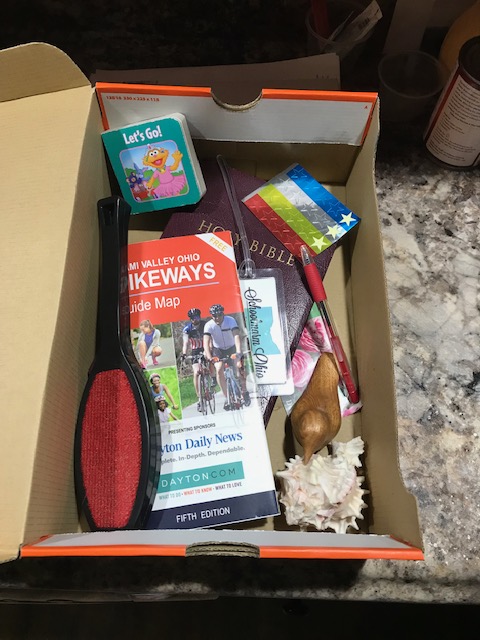
Make a shoebox of “finds” for your student to investigate. Based upon these finds, they will need to be able to tell what kind of person would have left these artifacts behind. I did this years ago when I was teaching a class and it was so fun! One student brought in a man’s college class ring of their parent and one of the students saw the year they graduated and surmised that it was someone’s grandfather. lol Here is a box that I created about me. See if your observations with the artifacts I have given you are correct.

IMG_4841

I will list the items that I have in my box and give a brief explanation afterward of each of them.

  • a children’s book (I have a granddaughter; I love children’s lit)
  • the Bible (I like to read, study the Bible)
  • star stickers and a red pen (I am a teacher)
  • a picture of roses (I love flowers; gardening)
  • a luggage tag with a business card inside of it (my business, I enjoy traveling)
  • a bike trail map ( I am an avid bicyclist)
  • a lint brush ( I have a cat)
  • a wooden bird (I love birds)
  • a seashell ( I enjoy the beach; shells)

Here are some reading resources for you and your budding archaeologists to enjoy.

This slideshow requires JavaScript.

The links to books featured above:

Create a Dig Site for your child(ren).Y our daughter/son can create artifacts by either painting a terracotta pot or making clay “coins”. You will need the following items:

  • A terracotta pot
  • paint, paintbrushes
  • clay
  • wooden toothpicks
  • a plastic bin
  • sand
  • plastic shovel
  • a wallpaper brush or a paintbrush
  • string, tape
  • clipboard
  • paper
  • pencil
  • epoxy

First, you need to fill a large bin with sand that will serve as the “dig site” for your artifacts. Next, using the terracotta pot or clay, your archaeologist needs to create artifacts that you will bury. Paint designs on the pot, create coins from clay using the wooden toothpick to make designs. Allow drying time before doing this next step. Use an old towel to cover the pot and a hammer to break it into large pieces. If your child is too attached to their artifact, you can create a design on another terracotta pot to break into pieces.

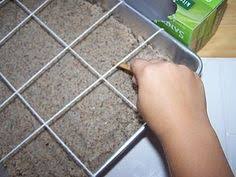
Bury the artifacts in the sand, but do not allow your archaeologist to see it. Depending upon your child’s age, you can make a grid with string above the bin and attach it with tape to the sides in order for them to know what section from which the artifacts they find originated. Using the clipboard, paper, and pencil, create a duplicate grid on the paper so that the things that are found can be drawn.

Give your child the shovel and brush to begin to wipe away the sand to find the artifacts. Stress the importance of going slowly and use the brush to wipe away the sand so they don’t disturb the other pieces nearby. Each found piece is then drawn and “cataloged”. If you have broken a pot, then glue it back together after you have excavated the site. Be sure to take a picture for your school year (and to take to your assessment if you do a portfolio review).

You can have your student write or draw pictures about the fun activity that you just completed. They can also write a story about the people who may have used these artifacts.

What about a dessert that shows the layers of soil?

download

Are you interested in an interactive game? This one is from the Colonial Williamsburg website where junior archaeologists can learn about and register their own notes about a dig called Dirt Detective

rainyday