Archives

Preparing for College: A General Guideline

Homeschooling through the high school years can seem daunting, and while it is a serious responsibility, it is also a great joy. I found that these academic  years were extremely rewarding. This is when I saw most of my labor from elementary to junior high come to fruition. Notice I said most, you actually reap the results throughout your lifetime. Do you remember when your child had all those milestones in their education and you were there to see them come to pass? Some of the most fulfilling events were hearing my sons read, hearing them recall multiplication facts, and writing an imaginative story.

Well, I must say that graduating my sons from high school was the capstone for me of all of the years we homeschooled. When my first son stood up on stage with Dale and me,  a great amount of memories were surging through my mind. Talk about wanting to laugh, cry, jump, holler, and fighting the urge to do all of those things when presenting his diploma to him at his high school graduation ceremony was difficult. I decided to let Dale speak as we presented the diploma so as not to embarrass my son too badly. All I said was,” Ian, I am so proud of you! Congratulations! We did it!” and blew a party horn. Humor, celebrating, and brevity all combined into less than one minute. That was a pretty amazing feat for me as I enjoy talking. 🙂

For you who follow a traditional school year, summer vacation will be here in a matter of weeks and you may be at a crossroads where you have to decide what you are going to do for your student when it comes to high school and preparing for college. I will discuss each of these in detail over the next few weeks. But, for this week I’d like to give you some simple advice to have you think about working on a plan that won’t be overwhelming. Preparing your high school student for university studies is not as difficult as it appears with proper planning.

  • Eighth grade- Create a four year high school academic plan. Plan out each year and prepare them for college even if they say they are not interested. It is much easier to take a foreign language when you are in high school than taking it as an adult. The amount of college applicants is quite high and competition is stiff so prepare your daughter’s or son’s academic courses with that goal in mind. Some courses such as physical education and fine arts can be applied toward high school while in junior high.
  • Ninth grade- Begin college prep classes.
  • Tenth grade- Evaluate what colleges your student wants to attend.
  • Eleventh grade- Visit colleges, narrow down the field.
  • Twelth grade- Apply to colleges, warp up any loose ends.

See, that’s not so bad! 🙂 Next week I will talk about ninth grade and how to create a transcript; pick college prep courses; get additional help with courses; start a reading list, and choose volunteer opportunities.

Nature Studies: Snow

Snowflake1Studying nature should be a part of  every homeschool as it provides opportunities to observe and learn about the “real thing” and having firsthand experiences instead of reading about it in a book. In nature studies, each child has a nature notebook in which they draw pictures of the object and keep a record of observations they have made. It may be difficult to engage your student in the drawing portion of the nature study at the beginning, but with practice (child) and consistency (you), the nature study becomes a foundation of not only  art, but science, writing, and reading.

It looks like we are in for an early spring snowstorm here in the midwest, so how about making the most of the snow that is coming our way? You can do this study whether we get a little or a lot of the white stuff. ** If  you live in a different part of the country you can still do this as well, but you’ll have to use the internet instead of the real thing. 🙂

Some items to have in readiness for your snow nature study:

  • ziplock bags (to bring back to the house your items of nature you want to observe in detail)
  • a notebook
  • pencils (colored pencils too)
  • magnifying glass
  • camera
  • field guides, reference guides or electronic devices

If we are fortunate to still have snow falling when you begin, go out and capture snowflakes for observing. Put a piece of dark construction paper in the freezer for a few hours before you go out so the snowflakes will adhere to the paper without melting before you observe them. You can also use a dark piece of clothing if you don’t have paper. Notice how each snowflake is different. Sketch a few of the snowflakes.

Blue Snowflakes 121610

carlettasroundthebend.blogspot.com

Because the snowflakes will melt before you will be able to draw them, take some close up pictures to be used when you return inside. If you don’t have the opportunity to catch snowflakes you can search the internet for snowflake pictures and have your scientific student draw one or more of their choosing. Write down details of what you see. You can also download the observation sheet I have made for younger students to put in a nature notebook. Adjust the observation sheet as needed. Nature Notebook page- snow

More outdoor snow ideas for observation. Remember to do what you can outside and take pictures to refer to when you return to the house.

  • Observe the way the ice and snow adhere to the branches of trees, bushes, and plants.
  • Measure the depth of snow. You can write this in your notebook along with the date.
  • Observe animal tracks. Can you determine what animals made the tracks? Use an animal track book or an online guide such as this one: track guide
  • Is the snow easy or hard for making snowballs? Is the snow a “wet snow” or a “dry snow”? If you aren’t sure, shovel the driveway. (Tricky way to get chores done. 🙂 )
  • Put out bird feed. What birds come to eat your delectable treats? Write down the types and count the number and variety. You can do this for a few minutes if you have younger children or you can do it for 30 minutes with older students. Use a bird identification book or this internet source : online bird guide I love birds and consider them my “pets”. They are practically perfect in every way, no vet bills, no scooping up their daily messes, etc. I have this marvelous electronic field guide I use to help me identify newcomers. The app is called iBird.
  • Did you find something interesting? Can it be brought in the house? Put it in your ziplock bag. Do not take it in if it will destroy something (living or nonliving).

Once you have returned to the house, continue to draw pictures of what you observed or download the pictures you took while outside. Write the scientific names of  the drawings. Using the colored pencils, color in the drawings, coloring as true-to-life as possible and record the date.

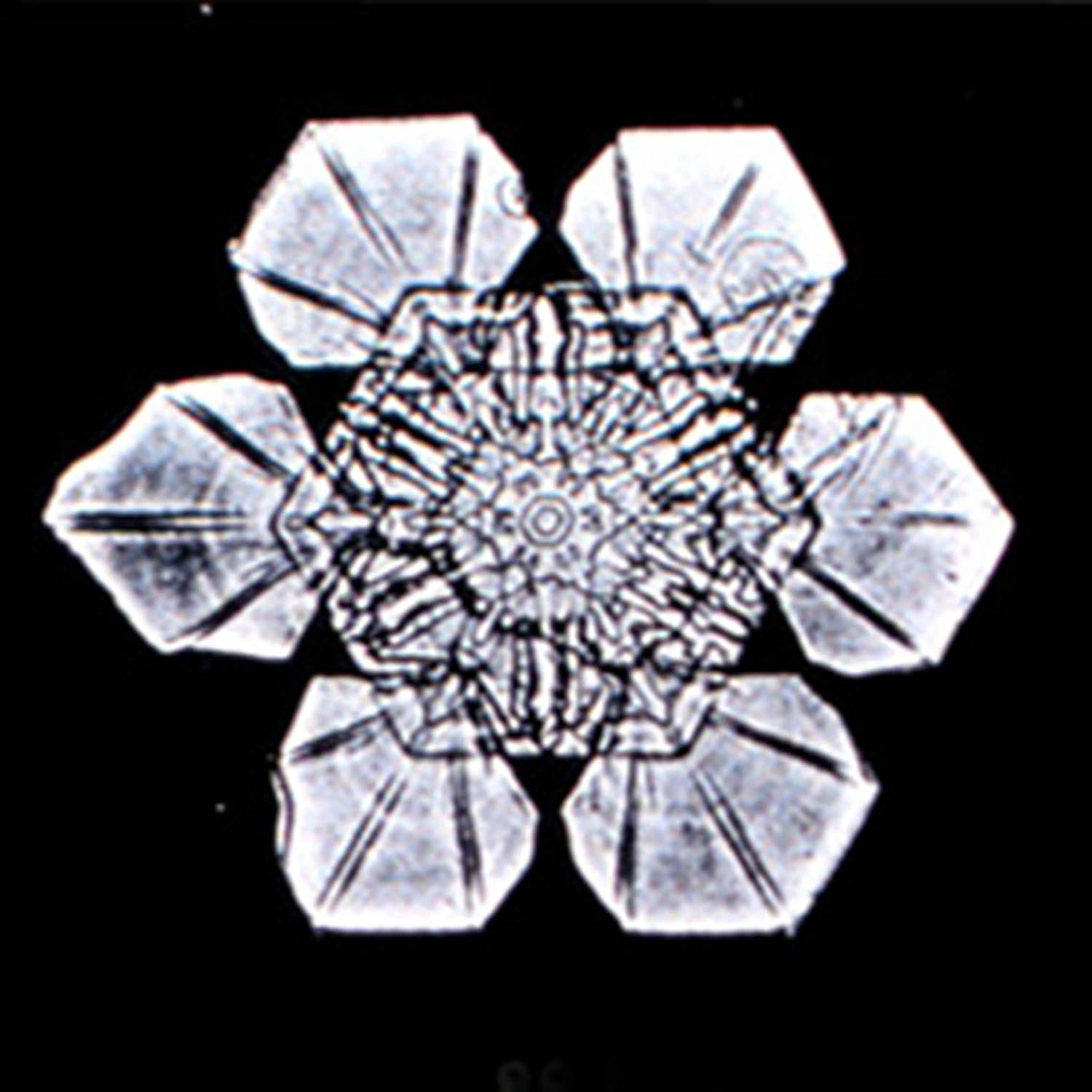
Note: The black and white snowflake photograph at the beginning of my post is one of Wilson”Snowflake” Bentley’s pictures. “Under the microscope, I found that snowflakes were miracles of beauty; and it seemed a shame that this beauty should not be seen and appreciated by others. Every crystal was a masterpiece of design and no one design was ever repeated., When a snowflake melted, that design was forever lost. Just that much beauty was gone, without leaving any record behind.” -Wilson Bentley

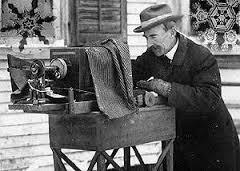
If you are interested in reading about him or his work, you can click here. There is also a children’s book called Snowflake Bentley or you can get as an audiobook . Here he is photographing snowflakes.

url-1

You can also add poetry about snow to your nature study notebook. The poems can be illustrated if desired. Here is one of my favorite poems by Robert Frost.

Stopping by Woods on a Snowy Evening

Whose woods these are I think I know.
His house is in the village, though;
He will not see me stopping here
To watch his woods fill up with snow.

My little horse must think it queer
To stop without a farmhouse near
Between the woods and frozen lake
The darkest evening of the year.

He gives his harness bells a shake
To ask if there is some mistake.
The only other sound’s the sweep
Of easy wind and downy flake.

The woods are lovely, dark, and deep,
But I have promises to keep,
And miles to go before I sleep,
And miles to go before I sleep.

Robert Frost

Have a great time and enjoy the snow. It is here for a limited amount of time. (Yippee because I am ready for Spring.)

~Lisa

The Book of the King

I have some good news for students who like adventure stories.  I found a new book series for upper middle and junior high students that I am excited to tell you about. It is called the Wormling Series by Jerry Jenkins and Chris Fabry.  It is has all the great elements of an adventure story: good; evil; dragons; kings; an unlikely hero and an invisible kingdom. This would also be a terrific read aloud series for your family.

If you think this sounds similar to the Bible, you would be correct in your assumption. It is fast-paced and leaves you with enough questions to make the story moving along and wondering how the enemy will be defeated. I am looking forward to reading more of these books in the series.

Click Here to see all the titles in the Wormling series.301591

Free Geography Curriculum

Globalmania_cropped-1Are you beginning to look at curriculum for next year? Here is a course worth checking out.  Globalmania is a program for that states you can learn World Geography in 7 months. This is regularly $14.95, but can be downloaded for free! They also have other products that include historical biographies and unit studies.


Free American History Online Class

Hillsdale College is offering a FREE online American History class that will be on Monday,February 25.The course title is History 102: American Heritage. You can click on the link below to find out more about the course and get registered. This would be great for either you or your high school student to watch.

American History Class 

glanzman-s